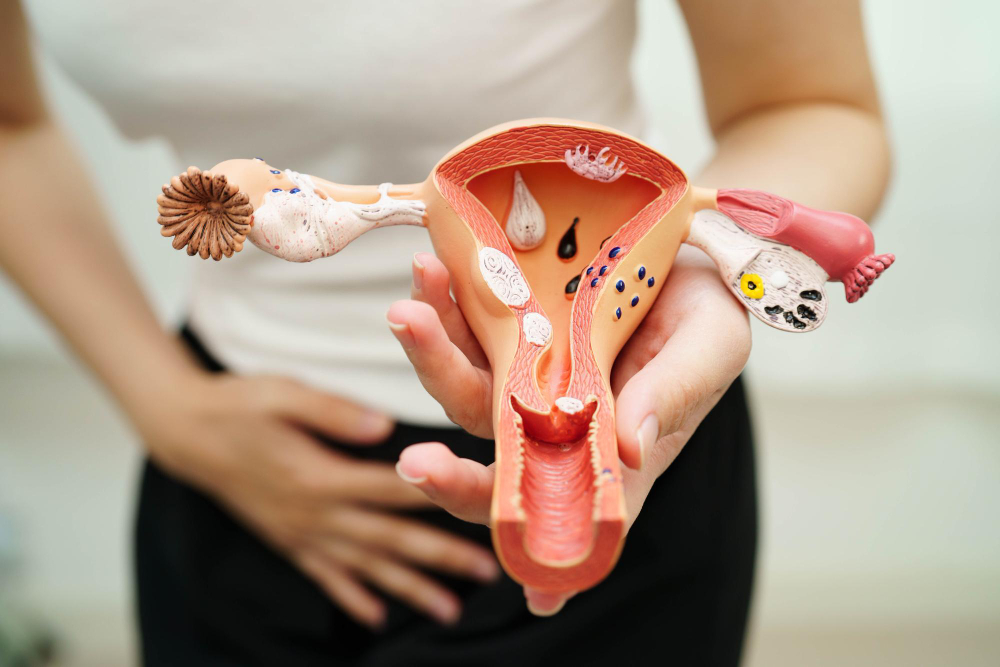
What is Fallopian Tube Block?
Fallopian Tube blockage, also known as blocked fallopian tubes, is a condition where one or both of the tubes connecting the ovaries to the uterus become partially or completely obstructed. These tubes play a critical role in natural conception.
In a healthy reproductive system, the egg released from the ovary travels through the fallopian tube, where it meets sperm for fertilization. However, when there is a blockage, this process is disrupted. The sperm cannot reach the egg, or the fertilized egg cannot travel to the uterus.
One important thing to understand is that many women with blocked tubes do not experience noticeable symptoms. Most cases are discovered only when a woman tries to conceive and faces difficulty.
How Fallopian Tubes Work in Pregnancy
To understand the impact of blockage, it’s important to know how the reproductive process works.
Fertilization typically occurs inside the fallopian tube. After ovulation, the egg enters the tube, where sperm may meet it. If fertilization happens, the embryo then travels to the uterus for implantation.
The fallopian tubes also help:
- Capture the egg after ovulation
- Provide the environment for fertilization
- Transport the embryo to the uterus
If these tubes are blocked, this entire process fails, leading to infertility or complications like ectopic pregnancy.
Causes of Blocked Fallopian Tubes
Blocked fallopian tubes can result from multiple underlying causes. Understanding these helps in choosing the right treatment.
1. Pelvic Inflammatory Disease (PID)
Pelvic Inflammatory Disease is one of the most common causes. It is usually caused by untreated sexually transmitted infections and can lead to scarring and blockage.
2. Endometriosis
Endometriosis occurs when tissue similar to the uterine lining grows outside the uterus. This can affect the fallopian tubes and lead to adhesions or blockages.
3. Previous Surgeries
Abdominal or pelvic surgeries (like appendectomy or cesarean section) can cause scar tissue formation, which may block the tubes.
4. Tuberculosis (Genital TB)
In countries like India, genital tuberculosis is a significant but often overlooked cause of tubal blockage.
5. Ectopic Pregnancy History
Previous ectopic pregnancies can damage the tubes and lead to blockage.
Types of Fallopian Tube Blockage
Not all blockages are the same. They are classified based on location and severity.
1. Proximal Blockage
Occurs near the uterus. It may sometimes be treated with minor procedures.
2. Distal Blockage
Occurs near the ovary and is often more complex.
3. Hydrosalpinx
Hydrosalpinx is a condition where the tube is filled with fluid, reducing chances of pregnancy and affecting IVF success.
Symptoms of Blocked Fallopian Tubes
Many women do not notice symptoms. However, some signs may include:
- Difficulty getting pregnant
- Chronic pelvic pain
- Pain during periods
- Pain during intercourse
- History of infections
In some cases, women may experience:
Ectopic Pregnancy, where the embryo implants in the tube instead of the uterus—this is a medical emergency.
When Should You Suspect a Tube Blockage?
You should consider getting tested if:
- You have been trying to conceive for over 12 months
- You are above 35 and trying for 6 months
- You have a history of pelvic infection
- You have irregular or painful periods
- You have had previous pelvic surgery
Early diagnosis can significantly improve treatment success.
Diagnosis of Fallopian Tube Blockage
Accurate diagnosis is essential to decide the right treatment.
1. Hysterosalpingography (HSG)
Hysterosalpingography is the most commonly used test. A dye is injected into the uterus, and X-rays are taken to see if the tubes are open.
2. Sonosalpingography
Sonosalpingography uses ultrasound and saline to evaluate tube patency.
3. Laparoscopy
Laparoscopic Surgery is considered the gold standard. It allows direct visualization of the tubes and surrounding structures.
Treatment Options for Blocked Fallopian Tubes
Treatment depends on the cause, severity, and patient’s age.
1. Medical Treatment
If infection is the cause, doctors may prescribe:
Antibiotic Therapy to eliminate infection and prevent further damage.
2. Surgical Treatment
Surgery may be recommended to remove blockage or repair tubes.
Tuboplasty is used to open blocked tubes or remove scar tissue.
However, success depends on:
- Location of blockage
- Extent of damage
- Patient age
3. IVF (In Vitro Fertilization)
Embryo Transfer bypasses the fallopian tubes entirely.
Eggs are retrieved from the ovaries, fertilized in a lab, and the embryo is placed directly into the uterus.
This is often the most effective option when both tubes are blocked.
IVF vs Surgery: Which is Better?
This is a common question.
Surgery is better when:
- Blockage is mild
- Tubes are healthy
- Patient is younger
IVF is better when:
- Both tubes are blocked
- Hydrosalpinx is present
- Previous surgeries failed
- Age is above 35
Your doctor will recommend the best option based on your condition.
Can You Get Pregnant with One Blocked Tube?
Yes, pregnancy is still possible if one tube is open.
If ovulation occurs on the side with the open tube, fertilization can happen naturally. However, chances may be lower compared to having both tubes open.
Chances of Pregnancy with Blocked Tubes
Success depends on multiple factors:
- Whether one or both tubes are blocked
- Age of the woman
- Cause of blockage
- Treatment chosen
Natural conception may still be possible with one open tube.
With IVF, success rates can significantly improve.
Risks & Complications
Blocked tubes can lead to:
- Infertility
- Ectopic pregnancy
- Chronic pelvic infection
- Reduced IVF success (in hydrosalpinx cases)
Timely treatment is crucial to avoid complications.
Can Blocked Fallopian Tubes Be Prevented?
While not all cases are preventable, you can reduce risk by:
- Practicing safe sex
- Treating infections early
- Regular gynecological check-ups
- Avoiding unnecessary pelvic surgeries
When to See a Fertility Specialist
You should consult a specialist if:
- You are unable to conceive after trying
- You have known reproductive issues
- You have had infections or surgeries
- You experience pelvic pain
A fertility expert can guide you with proper diagnosis and treatment.
Cost of Diagnosis & Treatment in India
Costs vary depending on the test and treatment:
- HSG Test: ₹2,000 – ₹5,000
- Laparoscopy: ₹30,000 – ₹80,000
- IVF Cycle: ₹80,000 – ₹2,50,000+
Prices depend on city, clinic, and complexity of treatment.
FAQs