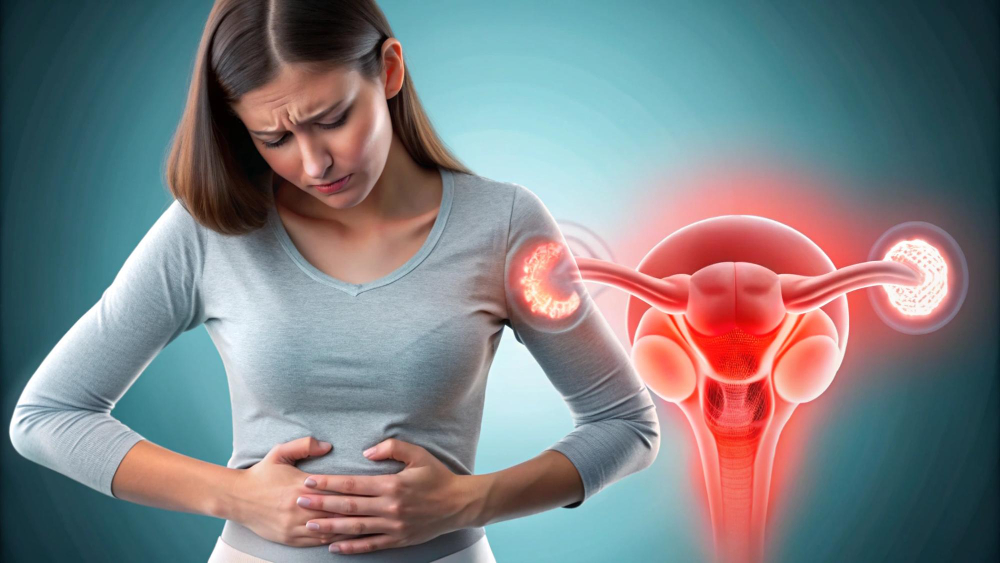
PCOD (Polycystic Ovarian Disease) is a common hormonal disorder that affects women of reproductive age. In this condition, the ovaries produce immature or partially mature eggs, which over time turn into cysts. These cysts can disrupt normal ovarian function, leading to hormonal imbalance and irregular menstrual cycles.
The term Polycystic Ovarian Disease refers to a condition where:
- Ovaries become enlarged
- Multiple small cysts develop
- Hormonal imbalance affects ovulation
PCOD is not just an ovarian disorder—it is also linked to metabolism and lifestyle factors. Many women may have PCOD without realizing it until symptoms like irregular periods or acne appear.
Key concepts:
- Hormonal imbalance (especially androgens or “male hormones”)
- Ovarian dysfunction
- Irregular ovulation
PCOD vs PCOS: What’s the Difference?
Many people confuse PCOD with Polycystic Ovary Syndrome, but they are not exactly the same.
| Factor | PCOD | PCOS |
|---|---|---|
| Severity | Mild | More severe |
| Cause | Hormonal imbalance | Endocrine + metabolic disorder |
| Ovulation | May still occur | Often absent |
| Fertility Impact | Less severe | Higher infertility risk |
Explanation:
- PCOD is more common and manageable with lifestyle changes.
- PCOS is a more complex syndrome involving metabolic issues like insulin resistance.
What Causes PCOD?
The exact cause of PCOD is not fully understood, but several factors contribute to its development.
Major Causes:
1. Insulin Resistance
Insulin Resistance plays a major role. When the body cannot use insulin effectively:
- Blood sugar increases
- The body produces more insulin
- Excess insulin triggers androgen (male hormone) production
2. Hormonal Imbalance
- Increased androgen levels
- Disruption in estrogen and progesterone
- Leads to irregular ovulation
3. Genetic Factors
- Family history increases risk
- If mother or sister has PCOD, chances are higher
4. Lifestyle Factors
- Sedentary lifestyle
- Poor diet
- Stress
Symptoms can vary from mild to severe depending on the individual.
Common Symptoms:
- Irregular or missed periods
- Excess facial or body hair (Hirsutism)
- Acne and oily skin
- Weight gain, especially around the abdomen
Advanced Symptoms:
- Hair thinning or hair loss
- Dark patches on skin (neck, underarms)
- Difficulty in conceiving
How PCOD Affects Periods and Ovulation
PCOD directly impacts Ovulation.
- Eggs do not mature properly
- Ovulation may be delayed or absent
- Period cycles become irregular
This happens because hormonal imbalance prevents the ovary from releasing eggs regularly.
PCOD and Fertility
PCOD can make conception difficult, but it does not mean infertility.
- Irregular ovulation reduces chances of pregnancy
- Hormonal imbalance affects egg quality
Good news:
With proper treatment and lifestyle changes, many women with PCOD conceive naturally or with medical assistance.
Risk Factors for PCOD
Certain factors increase the likelihood of developing PCOD:
- Being overweight or obese (Obesity)
- Family history of PCOD
- Sedentary lifestyle
- High sugar intake
Managing these factors can significantly reduce symptoms.
Diagnosis of PCOD
Diagnosis involves a combination of medical history, physical examination, and tests.
A. Ultrasound
A Pelvic Ultrasound helps:
- Detect multiple cysts in ovaries
- Check ovarian size and structure
B. Blood Tests
A Hormone Test is used to:
- Measure androgen levels
- Check insulin and thyroid levels
- Rule out other conditions
Complications of PCOD
If left untreated, PCOD can lead to long-term health issues:
- Type 2 Diabetes
- High blood pressure
- Endometrial problems
- Infertility
Early diagnosis and management are essential to prevent complications.
When Should You See a Doctor?
Consult a doctor if you experience:
- Irregular periods for more than 3 months
- Excessive hair growth or acne
- Difficulty conceiving
- Sudden weight gain
Early medical advice can help control PCOD effectively.