Navigating a diagnosis of Polycystic Ovary Syndrome can feel incredibly overwhelming.
You might be dealing with irregular cycles, stubborn weight gain, or frustrating breakouts, wondering why your body feels completely out of sync.
You are not alone in this journey.
PCOS is a common hormonal disorder and metabolic condition affecting millions of women of reproductive age worldwide.
To take back control of your health, you need to understand exactly what is happening inside your endocrine system.
Let us break down the PCOS meaning, explore the root causes, and uncover the most effective ways to manage your symptoms so you can start feeling like yourself again.
What Is Polycystic Ovary Syndrome?
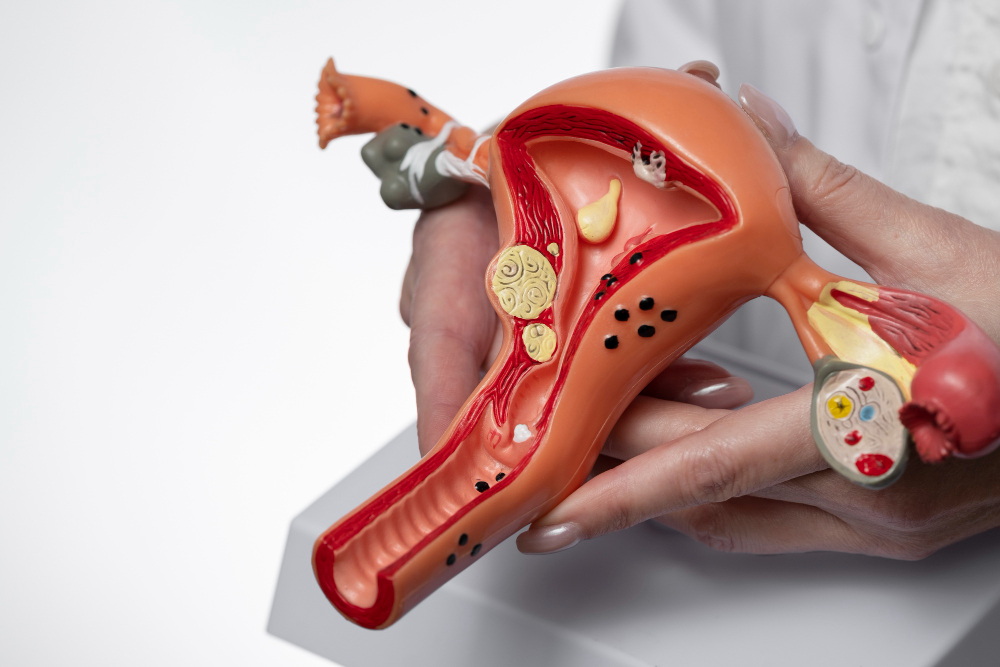
Polycystic Ovary Syndrome (PCOS) is an endocrine system condition that disrupts how your hormones balance and function.
This reproductive health condition primarily affects how your ovaries work.
Many people confuse having polycystic ovaries (PCO) with the actual syndrome.
Having PCO simply means your ovaries have multiple small follicles (often mistakenly called cysts). This can happen to anyone and does not necessarily cause health issues.
However, PCOS is the full metabolic dysfunction and hormonal imbalance.
It impacts your entire body, from your menstrual cycle to your insulin levels.
Understanding the PCOS full form and its systemic impact is your first step toward true healing.
What Causes PCOS?
Medical experts are still researching the exact PCOS causes, but evidence points to a combination of genetic and environmental factors.
If you are wondering why PCOS happens, look at these core drivers:
1. Insulin Resistance
Up to 70% of women with PCOS experience insulin resistance.
Your cells become less responsive to insulin, prompting your pancreas to pump out even more of it.
High insulin levels trigger the ovaries to produce excess testosterone, which disrupts ovulation.
2. Excess Androgens
Often referred to as “male hormones,” androgens are present in all women.
In a body dealing with hormone imbalance, the ovaries produce unusually high levels of androgens.
This androgen spike leads to classic signs of PCOS like facial hair growth and severe acne.
3. Chronic Low-Grade Inflammation
Research shows women with this ovarian disorder often have low-grade systemic inflammation.
This inflammation stimulates the polycystic ovaries to produce even more androgens, creating a frustrating cycle.
4. Genetics and Family History
If your mother or sister has Polycystic Ovary Syndrome, your chances of developing it increase significantly.
While there is no single “PCOS gene,” genetic factors definitely play a massive role in your risk profile.
Common Symptoms of PCOS
The symptoms of PCOS vary wildly from person to person.
You might experience just one or two signs, or you could be battling the entire spectrum.
Here are the most common PCOS symptoms in women:
Menstrual Irregularities
Irregular periods are often the very first red flag.
You might experience missed periods, heavy bleeding, or cycles that stretch far beyond a normal 28-day timeframe.
Skin and Hair Changes
High testosterone levels wreak havoc on your skin and hair.
You may notice persistent cystic acne along your jawline.
Many women also develop hirsutism (unwanted hair growth on the face, chest, or back) or experience distressing alopecia (scalp hair thinning).
Weight Fluctuations
Unexplained weight gain, especially around the abdomen, is a classic sign.
Because of the underlying insulin issues, losing this weight often feels nearly impossible despite eating well and exercising.
Darkened Skin Patches
A condition called acanthosis nigricans causes thick, dark, velvety patches of skin to form in body creases like the neck, groin, and under the breasts.
This is a direct indicator of severe insulin resistance.
How PCOS Affects Periods and Ovulation
Your menstrual cycle relies on a delicate hormonal dance.
With PCOS and ovulation, that dance is completely thrown off rhythm.
In a typical cycle, a follicle grows and releases an egg.
When you have Polycystic Ovary Syndrome, high androgen levels prevent the follicle from fully maturing.
Because the egg never releases (a process called anovulation), you miss your period.
This lack of ovulation means your body does not produce progesterone, leading to a thickened uterine lining and unpredictable, sometimes heavy bleeding when your period finally arrives.
How PCOS Is Diagnosed
Getting a proper PCOS diagnosis requires a thorough medical evaluation.
Doctors typically use the Rotterdam Criteria, which states you must have at least two of the following three signs:
- Irregular menstrual cycle or lack of ovulation.
- Clinical or biochemical signs of high androgens (like acne or high testosterone on a blood test).
- Polycystic ovaries visible on a pelvic ultrasound.
The Diagnostic Process: Step-by-Step Guide
Here is exactly what you can expect when you visit your doctor:
Step 1: Medical History Review
Your doctor will ask about your periods, weight fluctuations, and family history.
Step 2: Physical Exam
They will check for excess facial hair, acne, and skin discoloration.
Step 3: PCOS Blood Tests
You will undergo comprehensive blood work to check your hormone levels.
Expect tests for your testosterone test, luteinizing hormone, fasting insulin, and thyroid stimulating hormone.
Step 4: Pelvic Ultrasound Scan
An ultrasound for PCOS allows the doctor to visually inspect your ovaries for multiple follicles and check the thickness of your uterine lining.
PCOS and Fertility
One of the biggest concerns surrounding this condition is PCOS and infertility.
Because you are not ovulating regularly, sperm has no egg to fertilize, making getting pregnant with PCOS a challenge.
However, a PCOS diagnosis does not mean you can never have children.
Reproductive endocrinology has advanced significantly.
With targeted PCOS fertility treatment, including medications like letrozole or clomiphene to stimulate egg release, many women go on to have incredibly healthy pregnancies.
PCOS Pregnancy Risks
Once you conceive, proper monitoring is critical.
PCOS during pregnancy comes with an elevated risk of gestational diabetes, high blood pressure (preeclampsia), and unfortunately, miscarriage.
Working closely with a specialist ensures you navigate these pregnancy complications safely.
Proven Treatment Options for PCOS
Finding the best treatment for PCOS requires a personalized approach.
Since there is no magical cure, PCOS treatment options focus on managing your specific symptoms and improving your metabolic health.
Medical Interventions
Your doctor might prescribe oral contraceptive pills to regulate your bleeding and lower androgen production.
If insulin resistance is driving your symptoms, medications like Metformin can improve how your body handles blood sugar.
Why You Need Our Comprehensive PCOS Support System
Managing multiple medications, tracking symptoms, and figuring out what to eat is exhausting.
That is exactly why we created the Complete PCOS Wellness Bundle.
Our premium, scientifically formulated supplement system targets the exact root causes of hormonal imbalance.
Packed with high-quality Inositol, targeted vitamins, and metabolic support blends, this bundle helps regulate insulin, balance androgens, and support natural ovulation.
Stop guessing and start healing. By investing in the Complete PCOS Wellness Bundle, you are giving your body the exact nutrients it needs to thrive. Take control of your hormonal health today and feel the difference within weeks.
Lifestyle Changes That Help Manage PCOS
Medication helps, but PCOS lifestyle changes are the absolute foundation of your long-term success.
You can profoundly impact your hormones through your daily habits.
Best Diet for PCOS
The PCOS diet plan should focus on stabilizing your blood sugar.
Prioritize low glycemic index foods that prevent massive insulin spikes.
Fill your plate with lean proteins, healthy fats, and loads of fiber from dark leafy greens and cruciferous vegetables.
Avoid refined carbohydrates, sugary drinks, and highly processed foods, as these severely aggravate insulin response.
Exercise for PCOS
Movement is medicine for insulin resistance.
Aim for a mix of strength training and low-impact cardio.
Building muscle mass significantly improves how your body utilizes glucose.
Avoid excessively grueling, high-intensity workouts if you are feeling chronically stressed, as this can spike your cortisol and worsen your hormonal disorder.
Stress and Sleep Management
Poor sleep and high stress directly impact your stress hormone levels, which in turn disrupt your entire endocrine system.
Establish a strict sleep cycle aiming for 8 hours a night, and integrate daily stress-reduction practices like meditation, deep breathing, or yoga.
Long-Term Health Risks of Untreated PCOS
Ignoring your symptoms can lead to severe long term effects of PCOS.
Because this is a systemic metabolic condition, untreated PCOS complications include:
- Type 2 Diabetes: Due to chronic, unmanaged insulin resistance.
- Cardiovascular Disease: Elevated cholesterol and high blood pressure increase heart disease risks.
- Endometrial Hyperplasia: Without regular periods, the uterine lining builds up, which can increase the risk of endometrial cancer.
- Metabolic Syndrome: A cluster of conditions including high blood pressure, high blood sugar, and abnormal cholesterol levels.
The Mental and Emotional Impact of PCOS
We must acknowledge the PCOS mental health toll.
Living with unpredictable symptoms, chronic fatigue, and potential fertility struggles heavily impacts your emotional well-being.
Many women experience deep anxiety, depression, and severe body image issues due to weight gain and hirsutism.
Seeking support from a therapist who understands chronic illness is just as important as seeing your gynecologist. Your mental health matters.
Can PCOS Be Cured or Controlled?
Patients frequently ask, “is PCOS curable?”
The honest answer is no, you cannot permanently cure or reverse PCOS.
However, you absolutely can control it.
Through a combination of targeted lifestyle shifts, the right supplements (like our Complete PCOS Wellness Bundle), and medical support, you can push your symptoms into remission.
Chronic disease management is about consistency. You can live a vibrant, symptom-free life by maintaining your healthy habits.
When to See a Doctor for PCOS
Do not wait for your symptoms to become unbearable.
You need to consult a gynecologist or an endocrinologist if you experience:
- Fewer than eight periods a year.
- Sudden, rapid weight gain.
- Severe cystic acne that does not respond to over-the-counter treatments.
- Inability to get pregnant after 12 months of trying.
Finding a dedicated PCOS specialist doctor will dramatically speed up your path to relief.